Core takeaway
When I was a child, there was a dread disease making the rounds.
When I was a child, there was a dread disease making the rounds. Yellow quarantine signs appeared on doors in my neighborhood. A neighbor child whom I knew died from the disease - she was the first person I actually knew who had died of any cause. The disease was polio and I grew up before the first polio vaccine was available. It was summer in Minnesota (hot, muggy, and no air-conditioning except at movie theaters) and we weren't allowed outdoors. I can only imagine what that summer must have been like for the moms - and it would have been moms in those days. Some weeks after the epidemic began, the local university radio station, KUOM, began broadcasting special programming for children who were stuck at home. The one I remember fondly was called "Drawing to Music" and it consisted of playing classical music while encouraging children to draw what the music made them imagine, then send their drawings to the station, where many of them were awarded prizes. This and other engaging programs helped to get us - and our moms - through a difficult summer.
Today, we have many ways of entertaining and distracting ourselves and our children during this crisis, which is keeping so many of us at home or at least limited in the extent of our movement in the world. It's perfectly possible to work effectively from home if we are lucky enough to do the type of work that can be done remotely and have the tools that can make it happen. Still, for many, that experience is missing something...real contact with others, office gossip, high fives to celebrate, the running joke, the birthday cakes.
What was it about that long-ago experience with what was not yet public radio that makes me remember it seven decades on? Perhaps because it was something special and new. It was not an imitation of what had existed before (which was playing outside and being a free spirit). It was a gift, a bit of magic, an invitation to create, an introduction to another way of thinking and being.
Today, while we get used to what we hope will be a brief period of "social distancing," we need not have "emotional distancing" or "intellectual distancing." We have an opportunity to find new ways to connect, to create, to think together. We can design a new virtual playground where ideas and relationships can develop; a virtual concert hall and museum where we can make and display the work of our combined imagination. Instead of "making do," we can "make new." The Chinese symbol for crisis, we know, is made up of the icons for danger and opportunity.
As Nobel prize-wining economist, Paul Romer, said, "A crisis is a terrible thing to waste." Let's take this on as a challenge, not just as a necessity.
Key takeaways
- •When I was a child, there was a dread disease making the rounds.
- •Today, we have many ways of entertaining and distracting ourselves and our children during this crisis, which is keeping so many of us at home or at least limited in the extent of our movement in the world.
- •What was it about that long-ago experience with what was not yet public radio that makes me remember it seven decades on? Perhaps because it was something special and new.
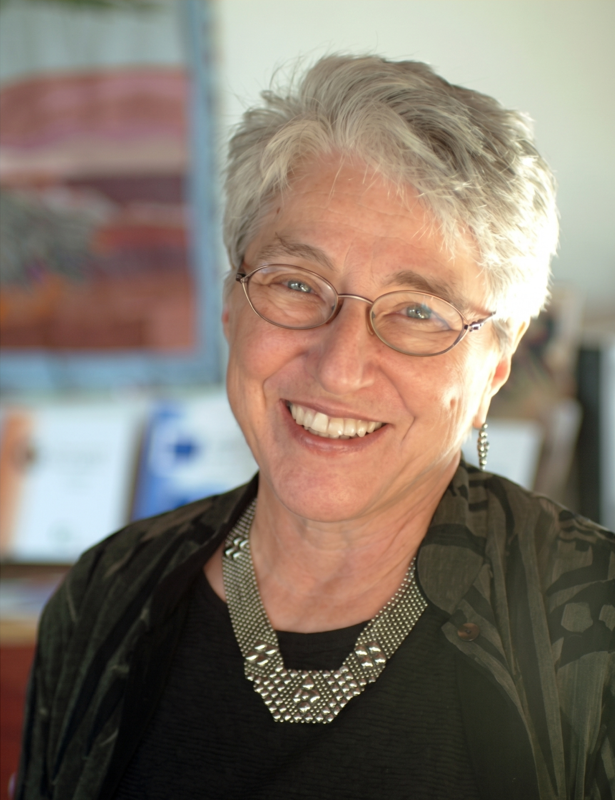
B. Kim Barnes
Author, Coach, and Leadership Consultant
Founder of The Influence Guru, Kim Barnes is a coach, facilitator, and author with more than forty years of experience in leadership, influence, and organization development. She was a founder and, for many years, CEO of Barnes & Conti Associates, and developed or co-developed programs including Exercising Influence, Inspirational Leadership, Intelligent Risk-Taking, Consulting on the Inside, and Managing Innovation. She is the author of six books, including Exercising Influence (Wiley) and Building Better Ideas (Berrett-Koehler).