
Book Consultation →Substack ↗
Media Hub & Publications

Kim Barnes’ Content Library

Explore four decades of foundational articles, podcast interviews, and tactical video insights on influence, constructive debate, cross-cultural leadership, and executive coaching.

Latest Press Release

Barnes & Conti Joins Procept in Synergistic Collaboration

Strategic collaboration expanding global access to Barnes & Conti leadership programs and ISO-9001 delivery.

Read Press Release
Topic:
The Prince of Garbage Men
📄article2 min read

The Prince of Garbage Men

A Dance to the Meaning of Work

A poetic personal reflection on purpose, dignity, and finding joy in everyday work. An early-morning observation of a sanitation worker moving with effortless grace reveals how mindset and personal pride elevate routine tasks into meaningful human expression.

Key Takeaways

  • •Dignity and craftsmanship can be found in every form of work.
  • •Presence and personal pride transform routine labor into an artful dance.
  • •Mindful observation: how unexpected everyday moments reframe our sense of purpose.
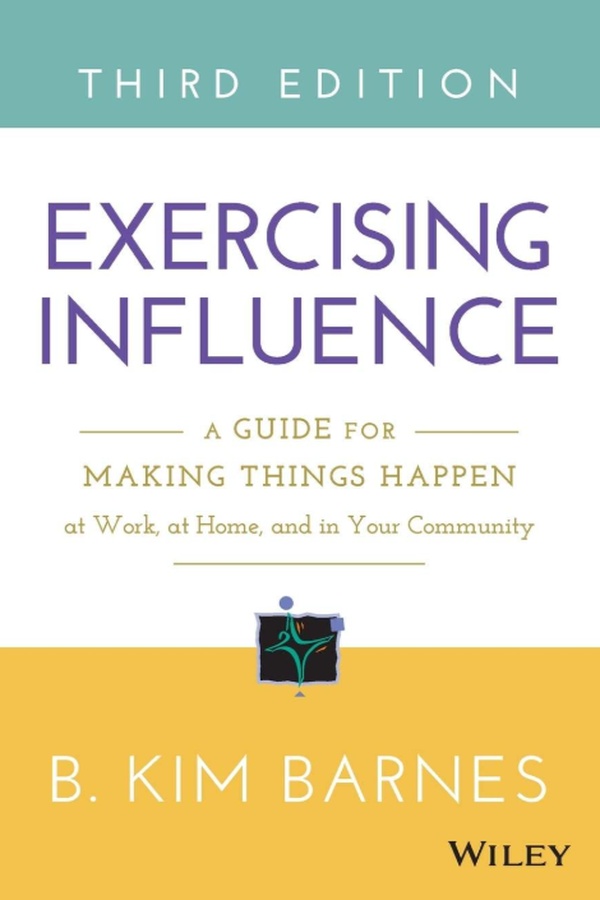
Exercising Influence

Exercising Influence

A Guide for Making Things Happen at Work, at Home, and in Your Community (3rd Edition)

The seminal 3rd Edition guide to developing personal influence capability without relying on positional authority. Used across Fortune 500 leadership programs worldwide.

Key Takeaways

  • •Learn key influence approaches: Tell, Sell, Negotiate, Enlist, Inquire, Listen, Attune, Facilitate.
  • •Diagnose organizational dynamics to select optimal influence strategies.
  • •Build long-term trust and mutual alignment across matrix environments.
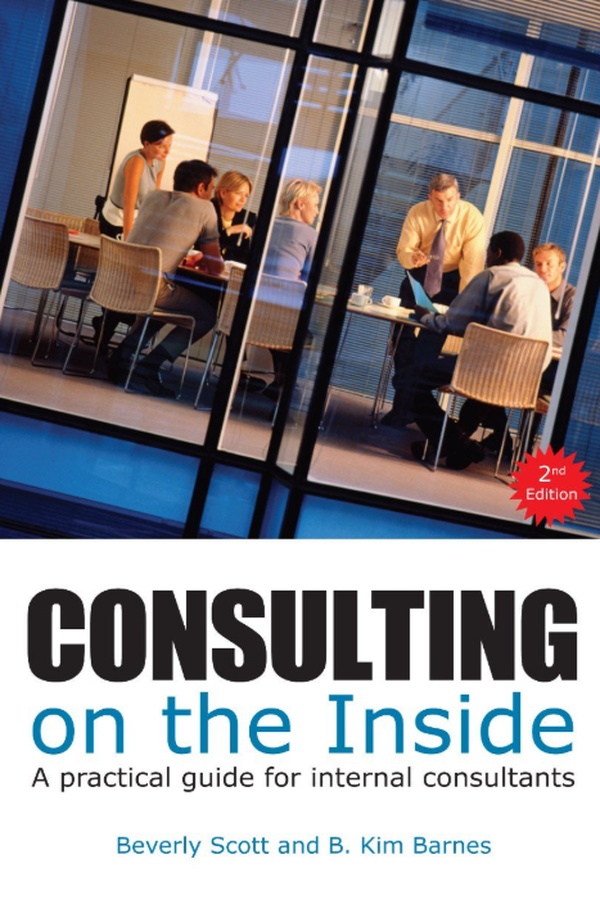
Consulting on the Inside
📚bookATD Press

Consulting on the Inside

A Practical Guide for Internal Consultants

With Beverly Scott

Essential framework for internal consultants, HR partners, and change agents navigating company politics, contract negotiation, and internal client relationship management.

Key Takeaways

  • •Establish clear Contracting & Discovery phases before prescribing solutions.
  • •Navigate internal political architecture without compromising professional independence.
  • •Measure organizational impact and secure executive leadership sponsorship.
Consulting
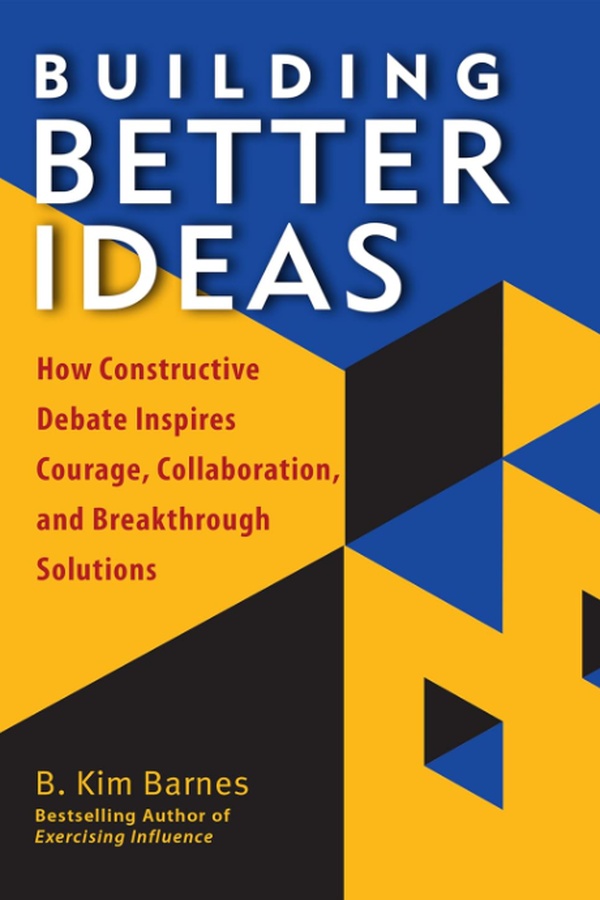
Building Better Ideas

Building Better Ideas

How Constructive Debate Inspires Courage, Collaboration and Breakthrough Solutions

How constructive workplace debate fosters psychological safety, empowers teams to challenge the status quo, and moves raw concepts into breakthrough solutions.

Key Takeaways

  • •Establish explicit ground rules for constructive debate to depersonalize disagreement.
  • •Nurture early-stage ideas like fragile garden sprouts before subjecting them to evaluation.
  • •Empower multidisciplinary teams to collaborate courageously on complex challenges.
Self-Navigation

Self-Navigation

A Compass for Guiding Your Life and Career

With Aviad Goz

A transformative coaching system providing personal clarity, strategic direction, and practical tools to align internal values with career choices.

Key Takeaways

  • •Map your core values to create an unshakeable career compass.
  • •Navigate professional transitions with resilience and proactive self-direction.
  • •Balance personal authentic purpose with external workplace impact.
Murder on the 33rd Floor
📚bookJohari Press

Murder on the 33rd Floor

A Corporate Mystery

A thrilling corporate mystery novel blending organizational consulting insights with sharp narrative storytelling set in high-stakes corporate enterprise.

Key Takeaways

  • •Uncovers hidden corporate dynamics and unwritten rules through investigative storytelling.
  • •Demonstrates acute observation and diagnostic curiosity in executive environments.
  • •Engaging fiction highlighting human behavior under pressure.
Murder on Retreat
📚bookJohari Press

Murder on Retreat

A Corporate Mystery

Kim Barnes’ second corporate mystery novel, following internal consultants through a high-stakes executive retreat filled with intrigue, hidden agendas, and organizational politics.

Key Takeaways

  • •Explores group dynamics and leadership tension during offsite retreats.
  • •Highlights observational skills and political awareness when reading a room.
  • •Entertaining mystery grounded in real-world corporate consulting experience.

Barnes & Conti Joins Procept in Synergistic Collaboration

Strategic Partnership Announcement

With Kevin Aguanno

Barnes & Conti Associates Inc. announces a strategic collaboration with Procept Associates Ltd. to expand access to award-winning leadership programs and leverage ISO-9001-compliant processes while continuing independent operations.

Key Takeaways

  • •Expands global delivery of Barnes & Conti leadership and influence programs via Procept’s extensive operations.
  • •Enhances client service with a larger accredited facilitator pool and digital learning developments.
  • •Streamlines back-office management under Procept’s ISO-9001-compliant processes while preserving legacy IP.

B. Kim Barnes on Substack

Influence, Leadership & Connection

Kim Barnes’s official Substack newsletter featuring ongoing reflections, essays, and tactical frameworks on the "difficult skills" of human connection, organizational dynamics, and constructive debate.

Key Takeaways

  • •Fresh essays and perspectives on ethical influence and leadership.
  • •Practical tools and real-world examples for navigating workplace complexity.
  • •Conversations and deep dives into collaboration and constructive debate.
Leadership
📄article4 min read

Influential Parenting

Influence at Home

The family is the most fundamental organizational unit where we first understand power, choice, and leadership. Kim Barnes outlines how democratic family structures and reciprocal influence build confidence and negotiation capabilities in children.

Key Takeaways

  • •Early family dynamics establish how children later lead, negotiate, and collaborate in groups.
  • •Democratic families use influence rather than raw hierarchy to foster independence and agency.
  • •Parental influence balances expressive (directing, envisioning) and receptive (inquiry, active listening) behaviors.
  • •Influence is reciprocal by nature: offering genuine choices models constructive leadership.
📄articleShowcase Deck (PDF)

Exercising Influence

Framework & Methodology Showcase Deck

A comprehensive visual overview presentation deck highlighting the core framework, key behavior models (Expressive & Receptive tactics), and strategic applications of Kim Barnes’s Exercising Influence workshop methodology.

Key Takeaways

  • •The Two Fundamental Conditions: True influence requires treating others with respect AND offering a choice — removing either turns influence into coercion or compliance.
  • •Expressive vs. Receptive Behavior Tactics: Master both Expressive tactics (telling, selling, negotiating, enlisting) to move ideas forward, and Receptive tactics (inquiring, listening, attuning, facilitating) to open collaborative space.
  • •Navigating Remote Influence: Adapt influence behaviors for virtual environments by compensating for lost physical cues, drawing out quieter voices, and structuring deliberate follow-ups.
Influence
📄article6 min read

Facts, Assumptions, & Values

Their Role in Effective Influence

Mastering communication clarity requires distinguishing between empirical facts, unverified assumptions, and deeply held values. Kim Barnes outlines how misidentifying these three elements derails negotiations and provides a framework for aligning stakeholders.

Key Takeaways

  • •Empirical facts build baseline agreement; assumptions must be tested explicitly.
  • •Core values drive emotional buy-in and cannot be argued away with logic.
  • •Effective influencers map stakeholder positions across facts, assumptions, and values before pitching.
Influence
📄article10 min read

Four Cultural Dimensions

Workplace Behavior

A deep dive into how power distance, individualism vs. collectivism, risk tolerance, and communication directness shape cross-cultural leadership and global team alignment.

Key Takeaways

  • •Power distance dictates whether influence is exercised hierarchically or peer-to-peer.
  • •Risk tolerance determines how innovation and change initiatives are received across regions.
  • •Adapting directness prevents unintended friction during international team collaborations.
📄article8 min read

Four Cultural Dimensions

Negotiation and Conflict Resolution

Practical frameworks for negotiating across cultural divides, managing conflicting resolution styles, and crafting durable win-win agreements in multinational enterprise environments.

Key Takeaways

  • •Recognize high-context vs. low-context negotiation signals before pushing for terms.
  • •Conflict styles vary from direct confrontation to indirect harmony-preserving dialogue.
  • •Building relational trust precedes transactional agreement in many global business cultures.
Negotiation
📄article7 min read

Growing Ideas

Moving Ideas into Action

Early-stage ideas are like fragile sprouts in a garden. Kim Barnes explains how constructive debate and psychological safety allow innovative concepts to flourish rather than being prematurely discarded.

Key Takeaways

  • •Nurture raw ideas with exploratory inquiry before subjecting them to critical evaluation.
  • •Constructive debate tests structural assumptions without attacking the idea generator.
  • •Build psychological safety so team members feel empowered to share disruptive solutions.
Innovation
📄article4 min read

Inspirational Leadership in Action

Leading Through Change and Uncertainty

Examining real-world crisis management and authentic presence, showing how inspirational leaders rally organizations through transparent communication, shared purpose, and steady resolve.

Key Takeaways

  • •Inspirational leadership relies on authentic vulnerability paired with clear direction.
  • •Communicating shared values grounds teams during periods of high organizational chaos.
  • •Leader presence is defined by active listening and visible commitment on the front lines.
Leadership
📄article7 min read

Nancy Drew as Organizational Consultant

Investigative Inquiry in Corporate Problem-Solving

An insightful analogy comparing organizational consulting to classic detective work. Kim demonstrates how curiosity, keen observation, active listening, and evidence collection reveal root-cause solutions.

Key Takeaways

  • •Effective consultants act as inquisitive investigators rather than prescriptive experts.
  • •Observe hidden organizational dynamics and unwritten rules beyond official org charts.
  • •Ask open-ended diagnostic questions to help stakeholders uncover their own breakthroughs.
Consulting
📄article5 min read

Organizational Culture and Influence

Aligning Strategies with Company Architecture

Unpacking how company culture and political architecture dictate how influence is effectively exercised, and why rigid top-down mandates fail in modern matrix organizations.

Key Takeaways

  • •Influence strategies must align with the organization’s underlying cultural norms.
  • •Empowerment requires both formal authority and informal relationship networks.
  • •Map decision-making pathways before introducing large-scale strategic changes.
📄article3 min read

5 Tips for Leaders

Building Better Ideas With Your Team

Opportunities to generate ideas come up in every meeting. Five ways to tap the brainpower of your team at any time.

Key Takeaways

  • •Be the last, not the first, to express your opinion.
  • •Don't judge ideas, positively or negatively, while you are in the ideation phase.
  • •Never run with the first "good" idea.
  • •Ask team members to identify their limiting assumptions based on the ideas they have come up with so far - then challenge them to generate ideas they would consider if they ignored those limits.
📄article4 min read

Bad, Wrong, or Stupid

How Not to Influence

Labeling the other person bad, wrong, or stupid is the least likely way to change a mind. Curiosity works better.

Key Takeaways

  • •Facts are data that can be objectively observed.
  • •Values are beliefs about what is right, wrong, good, or bad.
  • •Assumptions are the inferences we make and the meaning we then assign to the data we have selected to pay attention to, often informed by our values.
📄article4 min read

Building a Culture that Supports Innovation

Values, norms, taboos, rituals, and mythology are persistent and self-reinforcing. Here is how to assess them, and reshape them to support innovation.

Key Takeaways

  • •On what basis do you make important decisions?.
  • •What are the "rules of the road" for success in this organization?.
  • •What happens to decisions or actions that are not aligned with the organization's goals?.
  • •What decisions or actions do you celebrate together? How?.
📄article4 min read

Building and Sustaining a Climate for Influence

Leadership Behaviors that Invite Engagement

You hired talented people and asked for their best ideas, yet few offer them. How a leader's own responses can shut down, or open up, engagement.

Key Takeaways

  • •"I noticed that you frequently stated your opinion about what to do and only then asked the team members what they thought." Impact: Team members believed that alternatives would be unwelcome; that the decision was already made.
  • •"Of the nine people on the team, only three of them offered their ideas." Impact: You missed hearing from people who might have offered useful alternatives.
  • •"When an idea that you liked was offered, you often praised it immediately." Impact: Team members assumed that you were indicating the "right answer.".
  • •"When an idea that you didn't like was offered, you criticized it immediately." Impact: Team members became unwilling to risk sharing unusual ideas.
📄article3 min read

Constructive Debate

Debate is usually combat, with winners and losers. Constructive debate puts the focus on building better ideas instead.

Key Takeaways

  • •I have always thought of debate as a form of combat - intellectual combat, to be sure, but combat nevertheless, with winners and losers.
  • •In my book, Building Better Ideas: How Constructive Debate Inspires Courage, Collaboration, and Breakthrough Solutions (Berrett-Koehler Publishers, November, 2019), I lay out an approach to debating ideas for the purpose of making them more rugged, more innovative, and more likely to succeed.
  • •Knowing how to express ideas clearly, how to engage others in providing feedback and upgrades, how to explore more deeply by building on others' thinking, and how to challenge ourselves and one another - all are important skillsets in the process of developing, improving, and implementing new ideas.
📄article8 min read

Context, Framing, and Influence

Presenting an Idea Inside Someone Else's Worldview

People filter every request through their values, beliefs, and vested interests. Kim Barnes explains how to frame an idea so it fits the other person's model of the world without misrepresenting anything.

Key Takeaways

  • •Values, beliefs, and vested interests form the filters any influence attempt has to pass through.
  • •Disproving a belief tends to harden it, a pattern Festinger documented as cognitive dissonance in 1956.
  • •The other person does not have to take your action for your reason, as long as their reason is valid and you can acknowledge it.
  • •One request can be framed four honest ways, depending on whether the person values respect, visibility, creativity, or profession.
📄article5 min read

Establishing Goals and Tactics

Five Criteria for an Influence Goal Worth Pursuing

Before influencing anyone, answer one question: how will I know that I have succeeded? Kim Barnes gives five criteria for a clear and compelling influence goal, with worked examples of each done well and badly.

Key Takeaways

  • •A good influence goal is flexible, observable, courageous, useful, and supportive of longer-term aims.
  • •Observable means you can see the result during the conversation, not weeks later.
  • •If the goal takes no courage, you are probably not making full use of the opportunity.
  • •Goal is the end and tactics are the means: pick one or two expressive and one or two receptive tactics before choosing behaviors.
📄article5 min read

Exercising Influence in Project Teams

Getting Results Without Reporting Lines

Cross-functional work happens outside standard reporting relationships, so results come through influence rather than power. Kim Barnes works through all eight influence tactics and what each one does for a project team.

Key Takeaways

  • •Tell, Sell, Negotiate, and Enlist build alignment, resolve resource conflicts, and attract the right people.
  • •Inquire, Listen, Attune, and Facilitate carry team learning, trust, and the removal of barriers to action.
  • •Meetings bog down when members cannot make a recommendation efficiently, which is a Sell problem.
  • •Order-giving does not work on a team, so Facilitate keeps responsibility with whoever is most accountable.
📄article2 min read

Five Things I Know About Creative Idea Development

The best ideas rarely arrive fully formed. Five steps for generating many ideas, then making the best of them stronger.

Key Takeaways

  • •Choose a diverse group and frame the issue.
  • •Challenge each of them to bring at least twenty ideas to the table (actually or virtually).
  • •"Notestorm" by posting the ideas and giving people time to look at them, then generate new ideas based on association or bisociation.[1] How can you arrange the room or virtual space so that the ideas can be seen by everyone? What ideas can they generate after viewing others' thoughts - through continuing the line of thought further (association) or bringing two contexts together to see what emerges (bisociation)? Defer discussion and evaluation, either negative or positive, until there are many different ideas to consider.
  • •Select the most promising ideas based on a previously agreed-upon set of criteria.
📄article2 min read

Five Things I Know About Dealing With "Difficult People"

The label "difficult" limits what you can do. Five ways to build a working relationship instead.

Key Takeaways

  • •Forget that he or she is "difficult." Begin by declassifying the person as "difficult." That category disempowers you to find a way to work with the other.
  • •Benchmark others' success.
  • •Have a frank, non-defensive conversation.
  • •Find areas of common interest and use them.
📄article3 min read

Five Things I Know About Making Good Decisions

Many of our decisions are made out of habit, framing, or wishful thinking. Five less-used approaches that work on both a conscious and unconscious level.

Key Takeaways

  • •Identify the "big picture" goal you're trying to achieve through making the decision.
  • •Develop a strong set of criteria that any decision you commit to must meet.
  • •Frame your goal as a problem you're trying to solve or an opportunity you want to respond to.
  • •Discover the decision you prefer or are leaning toward.
📄article3 min read

Five Things I Know About Resolving Long-Term Conflicts

Once a conflict becomes chronic, the attempts to fix it become part of the problem. Five ways to break the pattern.

Key Takeaways

  • •Stop thinking about how the conflict started; instead, think about how it continues.
  • •Notice what you do each time the conflict flares up.
  • •Before you respond to the person with whom you have a conflict, summarize his or her point, issue, or feeling in a neutral way.
  • •At a time when the conflict isn't active, ask the other person to give you some feedback about how you are responding to his or her concerns.
📄article3 min read

Five Things I Know About Solving Persistent Problems

If your past solutions had worked, the problem would no longer exist. Five ways to open up a new set of possibilities.

Key Takeaways

  • •Stop doing what you've tried in the past.
  • •Identify your limiting assumptions and reverse or move past them.
  • •Look for and disrupt ongoing patterns.
  • •Reframe the problem.
📄article2 min read

Five Things I Know About Successful Influence

Successful influence starts well before the conversation. Five things to think through first.

Key Takeaways

  • •Know what you want to achieve.
  • •Think about your relationship with the "influence target." Have you influenced one another successfully in the past? Do you have an investment in your future influence relationship? Is there something you need to do to repair or build your influence relationship?.
  • •Consider what you know about that individual.
  • •Understand relevant individual, organizational or cultural values, norms, processes, and goals.
📄article4 min read

5 Things I Know About Writing Your First Book

Have you always had a book in you? Practical advice on time, feedback, editing, topic, and form from an author of six books.

Key Takeaways

  • •Get away from your regular life if you can.
  • •Join or create a writing group.
  • •Hire a great editor.
  • •Write about what you know and what others would like to know and can't easily find elsewhere.
📄article4 min read

How Identifying With the Other Makes You a Better Influencer

Thinking yourself into the mind of the person you hope to influence is key to choosing the right approach.

Key Takeaways

  • •What is currently "top of mind" for the other? What are they most concerned about right now?.
  • •What are some areas of common interest (that will be obvious to the other) between you related to the action you'd like them to take?.
  • •What possible conflicting interests might arise, given your objective? Even if you don't agree that the other might have something to lose by taking the action you would like them to take, what might the other fear losing?.
  • •What "felt needs" (i.e., needs that he or she experiences) does the other have that might drive their decision-making about this?.
📄article2 min read

How To Avoid Being Replaced By a Robot

Machines can learn, decide, and even write passable poetry. For the foreseeable future, they won't have human needs or emotions.

Key Takeaways

  • •Driverless cars.
  • •Robots can be trained (or, in the future, train themselves) to do complex as well as simple tasks.
  • •So...how can you avoid being replaced by a sophisticated robot? Keep developing yourself as a communicative, influential, enthusiastic, imaginative, daring, humble, struggling, caring, fun-loving, curious, changeable, impassioned human being.
📄article4 min read

How to Uncover Great Ideas and Develop Talent

3 Simple Rules for Innovation Leaders (or Parents)

Praise, building on an idea, and admiring a drawing can all stop the creative process cold. Three rules for the early phases of ideation.

Key Takeaways

  • •In a team meeting, your newest employee tentatively puts an idea forward.
  • •You've just heard an idea from one of your team members.
  • •Your young child shows you a drawing.
📄article4 min read

Influence: The Business Partner's Essential Skill

Influence Through Each Phase of Internal Consulting

An internal business partner has no role power and no legitimate authority, which makes the job an influence problem. This piece maps specific influence behaviors onto the seven phases of an internal consulting engagement.

Key Takeaways

  • •The seven phases run from Entry and Contracting through Needs Analysis, Recommendations, Interventions, Evaluation, and Exit.
  • •Receptive behaviors carry the Entry and Evaluation phases; Expressive behaviors carry Recommendations.
  • •Contracting is where you express needs and describe consequences, before roles harden.
  • •Receptive behavior during Evaluation prevents the defensiveness that stops both parties learning from a failed intervention.
📄article6 min read

Influence Readiness

Setting Yourself Up for Success*

We are often clear on the aim and skilled at the delivery, yet give readiness a pass. Going a level deeper on results, relationship, and context.

Key Takeaways

  • •Have you identified the need that's driving you to influence this other person?.
  • •If you've identified your need, have you considered alternative results that might meet that need as well as or nearly as well as your preferred result?.
  • •Have you considered both your long-term goal and specific influence objective with this person?.
  • •Have you thought about incremental, step-by-step objectives that would move you closer to your long-term goal?.
📄article5 min read

Influence Smarter

Principles for developing healthy and effective influence relationships

Every time you influence someone, you make it easier or harder the next time. Principles for healthy, effective influence relationships.

Key Takeaways

  • •Past: What has been our history of influencing one another? Has it been an effective, two-way influence relationship? Is there any unfinished business or unresolved conflict that might distract us from the influence issue at hand?.
  • •Present: What is the current state of the relationship? Is there a comfortable rapport between us? Are we ready to get down to the business at hand or do we need to do some preliminary work?.
  • •Future: What is the ideal state for this influence relationship? What do we need to do to establish that?.
  • •You owe me one.
📄article4 min read

Influence in Project Leadership

Why Command and Control Stopped Working

Project teams are cross-functional, dispersed, and working on things nobody has done before. Kim Barnes sets out the five areas project leaders have to excel in, all of which rest on the ability to influence.

Key Takeaways

  • •Project leadership means getting results through people who do not report to you, which is the definition of influence.
  • •The five areas are aligning the team, learning from others, acquiring resources, getting things done through others, and creating agreements.
  • •Technical knowledge goes obsolete within months, so leaders have to learn their way through a project.
  • •Agreement on work processes and decision rights separates a committed team from a half-hearted work group.
📄article5 min read

Influence vs. Manipulation

Will You Build or Destroy Trust?

Leaders move teams to action through direct power, manipulation, or influence. Only one of them builds lasting trust.

Key Takeaways

  • •We use legitimate power to direct others to do something that we want or need them to do.
  • •It doesn't allow others to gain confidence in themselves as decision-makers and leaders.
  • •It doesn't leave space for alternative, perhaps better ideas.
  • •It leads to compliance rather than commitment.
📄article3 min read

Influencing Under Conflict Conditions

Four Scenarios to Work Through Before You Need Them

Four practice situations where the relationship has already gone wrong: a team member who refuses to meet, a peer who has gone cold, an angry internal customer, and a manager hinting you are not a team player.

Key Takeaways

  • •Each scenario names the influence objective, so you can plan backward from a defined outcome.
  • •When the other person has a reason to resist, receptive tactics have to come before anything expressive.
  • •Working through these aloud with a colleague is worth more than reading them.
  • •The fastest route through a conflict is almost never the most direct one.
📄article5 min read

Is Brainstorming Brain-dead?

Brainstorming empties the box of ideas already in the room. The most creative ideas come when very different frames of reference collide.

Key Takeaways

  • •Invite a diverse group of people to participate in an ideation session.
  • •Have people "brainwrite" ideas on "stickies" in response to a challenge before they say anything out loud.
  • •Use a "nominal group" technique, where each person states an idea or passes until the group has "run down" three times to ensure that all ideas have a chance to pique the interest of others; some interesting connections can be made during this process.
  • •Alternatively, post the notes on a wall and have people look at others' ideas, then go back and think of more of their own.
📄article2 min read

Leadership and Influence

A Learning Journey - Program Overview

A blended program that runs before, during, and after two days in the room, built around a real leadership project rather than a workshop exercise.

Key Takeaways

  • •Leadership Characteristics; Personal leadership focus, values, vision.
  • •Influence application: objectives, framework, planning, rehearsing.
  • •Action learning leadership project and team formation.
📄article3 min read

Leadership in Tough Times

Written in May 2020. The qualities that made some leaders effective during the pandemic apply to leading families, teams, and organizations through any crisis.

Key Takeaways

  • •Transparency, lack of defensiveness.
  • •Empathy/compassion.
  • •Vision/strategy.
  • •Clarity in directing or influencing others to action.
📄article5 min read

Leading Culture Change

Four dynamic skill sets you will need to succeed

Organizational cultures don't change because executives announce it. Change leaders need to know where to intervene, and four interlinking skill sets.

Key Takeaways

  • •Norms: Standards or ground rules for acceptable behavior in the organization.
  • •Values: Principles upon which decisions are based and the basis of the organization's reward system.
  • •Taboos: Social rules established against attitudes and actions that are considered "off-limits" and unacceptable - those things forbidden or prohibited.
  • •Rituals: Ceremonial acts, often of celebration, that are repeated under specific conditions.
📄article2 min read

Leading Remote Teams Through Influence

Program Overview

Practical ways to increase your influence effectiveness with teammates and leaders who are located in other geographic areas.

Key Takeaways

  • •Individuals identify an important opportunity to influence in their remote team within the next two to three weeks and make notes.
  • •One thing you love and one thing you hate about remote teams.
  • •Why is this important for your role/team/organization now?.
📄article5 min read

Living in the Matrix - How to Survive and Thrive

Matrix organizations free up information and harvest cross-functional innovation, but they are complex to navigate. Getting things done takes preparation and influence.

Key Takeaways

  • •What's your influence objective? If you don't know what action you want someone to take, you won't know if you've succeeded - or what alternative will work.
  • •Why do you want someone to take the action? What's the deeper purpose? What need of yours or your team's is driving you? If you're not clear about that, you can't be flexible and open to alternative actions that may meet that need nearly or equally as well.
  • •How well do you understand how things really get done in your matrix organization? Where are the important decisions made? Who is empowered to take the kind of action you're looking for? If you don't know, how can you find out?.
  • •What kind of influence relationship do you have or must you build with the people or person who can take the action? If it's not strong, how can you strengthen it? If it doesn't exist, who can connect you? If it's unlikely that it could be strong, who do you know and trust who could influence them in the direction you would like to see?.
📄article4 min read

Power, Influence, Authoritarianism

How Do We Understand the Difference?

Power that comes from being feared gets compliance, not changed minds. Influence puts power to work while building relationships.

Key Takeaways

  • •Curiosity helps you develop a "theory of mind" - the ability to take the perspective of the person you would like to influence.
  • •Respectfulness means that you treat the other person as a sentient, intelligent being with their own priorities, needs, and concerns.
  • •Persistence is the ability to be goal-oriented and flexible.
📄article6 min read

Establishing Conditions for Productive Conflict Management, Part 1

What is Your Approach to Conflict?

Conflict is inevitable. Whether it is feared and suppressed or welcomed as a source of innovation depends on the approaches, norms, and leadership around it.

Key Takeaways

  • •Confront: Let the other know directly how his or her action has affected you and/or what you plan to do about it.
  • •Stuff: Let the issue pass for now but keep it in mind and act accordingly.
  • •Dialogue: Seek a common understanding of the issues that led up to the conflict.
  • •Retaliate: Plan and take actions that even the balance between you and the other party.
📄article4 min read

Questioning Everything

Taming your own paradigms and assumptions

The explanations that give us comfort also limit us. Breakthrough thinking starts with dissatisfaction with the ready answer.

Key Takeaways

  • •Identify and then question the assumptions behind conclusions.
  • •Don't stop with one explanation for anything; force yourself to generate many, even if they don't all make sense to you.
  • •Observe and talk to people who have come to different conclusions.
  • •Feed your curiosity by moving out of your comfort zone and learning about a topic you have no expertise in.
📄article3 min read

Reframing as an Influence Strategy

Making New Ideas Seem Familiar

Gutenberg called printing "artificial writing." New ideas are easier to accept when they come dressed in familiar clothes.

Key Takeaways

  • •What needs of the other might my idea help to fulfill? What pain points do they have that are relevant to my approach?.
  • •What familiar metaphor can I use to explain how my idea works? What is it like that the other understands?.
  • •How can I give the other a sense of the comfort and ease with which they can adopt the idea?.
📄article3 min read

The Ethics of Influence

Being Effective Without Being Manipulative

Influence is named as a key leadership competency, yet in many organizations it is rarely practiced in the open. Kim Barnes argues that manipulation is usually a skill deficit rather than a choice, and sets out what a leadership team can examine about its own behavior.

Key Takeaways

  • •Leaders who cannot distinguish influence from manipulation tend to fall back on direct power or political games.
  • •Some languages do not separate the two words, and people fear using influence skills openly as a result.
  • •The work is to name where people feel tempted to hide their intentions, and why.
  • •Norms, principles, structures, and processes are what make open influence safe enough to practice.
📄article3 min read

The Fear Factor in Influence

Join Before Leading

Understanding what another person needs is not enough when your idea threatens them. Kim Barnes draws on Aikido to explain why fear does not respond to logic, and what to do instead of arguing.

Key Takeaways

  • •Fear creates uncertainty and pulls attention toward the worst case, so a solid argument often falls flat.
  • •Treat resistance as information about the other person rather than a barrier to push through.
  • •Join the other person first: listen, draw them out, and confirm they feel understood before proposing anything.
  • •Manage your own enthusiasm and anger before the conversation, not during it.
📄article8 min read

The Fire This Time

A Metaphor for 2016

Lessons from surviving the 1991 Oakland -Berkeley firestorm, offered again for anyone facing sudden change they did not choose.

Key Takeaways

  • •Twenty-five years ago, my house burned, along with 3000 others, in a huge firestorm that struck the hills of Oakland and Berkeley in the San Francisco Bay Area.
  • •Ten years later, after the awful events of 9/11, I revisited and revised the article in response to a client's request for something to offer the people in her company who were so deeply shaken, as we all were, by the experience of watching and living through the terror attacks.
  • •Today, many people in the U.S.
📄article4 min read

The Gold Rush Mentality

Risk, Failure, and Innovation

The Gold Rush depersonalized failure and made California fertile ground for innovators. Lessons for anyone panning for the next golden idea.

Key Takeaways

  • •Keep coming up with ideas.
  • •Don't fall in love with one idea and continue to invest past the point of no return.
  • •Embrace failure - mistakes, miscalculations, or bad luck are not the result of character flaws, unless you're unwilling to learn something from the experience.
  • •Take intelligent risks[[1]](http:/#_ftn1): Consider costs and benefits, make an educated guess about probability, and find where you can adjust and mitigate the downsides or enhance the upsides.
📄article4 min read

The Good Neighbor

Exploring Generosity of Spirit

Why do people help strangers with no expectation of return? Generosity of spirit, and a larger sense of who our neighbors are.

Key Takeaways

  • •"She didn't have to do that." "He appeared just when I needed someone." "They helped me and then they disappeared.".
  • •They are everywhere and yet sometimes they are hard to find.
  • •In recent days, we have seen moving examples of people choosing to help, rescue, support, and sadly, even give their lives for their neighbors - often ones they don't know and may have little in common with.
📄article3 min read

The Opportunity in the Crisis

Written in March 2020. A childhood memory of a polio summer and what it suggests about connecting, creating, and thinking together while apart.

Key Takeaways

  • •When I was a child, there was a dread disease making the rounds.
  • •Today, we have many ways of entertaining and distracting ourselves and our children during this crisis, which is keeping so many of us at home or at least limited in the extent of our movement in the world.
  • •What was it about that long-ago experience with what was not yet public radio that makes me remember it seven decades on? Perhaps because it was something special and new.
📄article4 min read

The Rationale of Irrational Decisions

Considering Emotional Needs

People are often moved by values and emotional needs more than by logic or vested interests. Influencers who ignore them are bound to be disappointed.

Key Takeaways

  • •Belonging - Being part of and associated with a specific group, tribe, or community.
  • •Control/power - Having autonomy over one's life, being free to make important choices.
  • •Confirmation - Having one's beliefs and opinions supported and verified.
  • •Respect - Experiencing the acceptance and esteem of important others.
📄article4 min read

The Value of Tactical Disclosure in Influence

Choosing to share something that makes you a little vulnerable can build trust, signal flexibility, and create a climate for mutual influence.

Key Takeaways

  • •Every day we make decisions about whether to share information or to held it close.
  • •Under what circumstances might it be wise to flex that boundary between public and personal or personal and private?.
  • •When you want to indicate flexibility - for example, in a negotiation.
📄article3 min read

Urgency vs. Agency

Getting Commitment to Your Change Agenda

People can't take action on a concept or a dream. Once they believe in a change, they need small, concrete ways to help.

Key Takeaways

  • •As I listened to Michael Krasny's Forum on KQED FM the other morning, my frequent drive-time companion summarized a guest's dilemma as "urgency vs.
  • •Some see the world as nothing more than a battleground of competing interests and believe that people only do things that benefit them directly.
  • •Communicating and engaging around strategic change is a complex and important skill-set and not one that I can cover in a brief article.
📄article3 min read

Using Influence Skills to Build Consensus

A Working Definition and the Behaviors That Get There

Broad unanimity is rare in organizations. Kim Barnes offers a more usable definition of consensus, a process for reaching it, and the ten influence behaviors that matter most in those conversations.

Key Takeaways

  • •Consensus means every member commits to publicly support the decision, including those who disagreed.
  • •The group polls, hears concerns, modifies in good faith, then asks each member to accept or to disagree and commit.
  • •Four Expressive behaviors put a proposal on the table: Suggest, Offer Reasons, Refer to Goals and Benefits, Offer Incentives.
  • •Six Receptive behaviors surface what is blocking agreement, and most of your time should go here.
📄article4 min read

What is a Penguin?

Even a simple noun can call up dozens of different concepts. Balancing expressive and receptive communication closes the gap.

Key Takeaways

  • •After a brief statement of your idea or point of view, ask, "How do you think about this topic?".
  • •Listen actively and check for understanding before continuing to develop your point.
  • •After you state your idea, leave enough silence for others to speak - this is especially important when conversing with anyone who is an introvert and needs a moment to formulate their ideas.
  • •Solicit questions when you finish expressing your thoughts.
📄article5 min read

When Either-or is Neither-nor

Framing a decision as a binary choice simplifies it, and limits it. There is almost always a third option called "What could I do instead?"

Key Takeaways

  • •"What other options do we have?".
  • •"What else might work?".
  • •"How will this choice affect our future options?".
  • •"Let's come up with 10 possibilities and then narrow them down.".
📄article5 min read

When Influence Fails

Some situations don't lend themselves to influence, no matter how skillful the approach. How to recognize them, and what to do instead.

Key Takeaways

  • •The other has bet his or her reputation on a particular approach or solution and can't afford to walk it back.
  • •The other sees you as a competitor, even if you are unaware of what game is on, and doesn't want you to be seen as the winner.
  • •You are seen as aligned with people or causes that the other perceives to be dangerous, unpopular, or politically incorrect, and agreeing with you creates a risk of being seen as part of the problematic group.
  • •The decision, while it seems to be in process, has in fact already been made and there is an investment in a solution that is different from the one you're advocating.
📄article6 min read

When Persuasion Isn't Persuasive

When a dish isn't working, adding more salt eventually ruins it. When persuasion falls flat, more reasons rarely help.

Key Takeaways

  • •The facts upon which it is based may be in dispute or open to different interpretations.
  • •There is another set of facts, leading to alternate conclusions, that are also relevant and more persuasive to them.
  • •The issue that prevents the other person from agreeing is based on needs or emotion rather than logic.
  • •The other person may have different interests (something to gain or to lose) from you.
📄article4 min read

Why Apologies are Difficult - and Often Unnecessary

Most of us never learned to apologize without losing face. Knowing when to apologize, acknowledge, or disclose can restore trust and balance.

Key Takeaways

  • •In reflecting on how frequently politicians and other public figures demand apologies from others - while refusing to offer one themselves - it occurred to me how few of us learn how to accomplish the purpose of an apology without losing face or feeling defeated.
  • •Often, when we do apologize (or receive an apology), it sounds something like this:"I didn't mean it that way, but I'm sorry if what I said bothered you." The implication is that the receiver is oversensitive or has misinterpreted the action or message.
  • •Let's consider the purpose of apologizing.
📄article6 min read

Why Do We Love Mysteries?

From Nancy Drew to Dorothy Sayers, a lifelong love of mysteries, and why organization development consulting follows the same hero's journey.

Key Takeaways

  • •As a child, I loved the books by Augusta Huiell Seaman, a now mostly forgotten author.
  • •Later, I, like many of my contemporaries, became enamored of the Nancy Drew books.
  • •The personal qualities of the protagonist, evident in all these books, included curiosity, courage, a willingness to take risks, and the ability to lead others.
📄article3 min read

Why We Shouldn't Call Them "Soft Skills"

The skills we use to lead, teach, comfort, confront, and inspire are among the hardest to learn, which may be why robots haven't learned them yet.

Key Takeaways

  • •"Soft skills" have been much in the news recently.
  • •In English-speaking cultures, the word, "soft" tends to have a pejorative connotation - except in advertising about products that touch our bodies.
  • •As someone who has studied, written, taught, and spoken about skills such as communication, influence, conflict resolution, and leadership, I can attest to the fact that these skills are in no way "soft" - in the sense described above.
📄article4 min read

Why What Many People Believe about Negotiation is Wrong

Negotiation is not a contest to be won. The best negotiators are persistent, flexible, curious, and creative, and they treat information as currency.

Key Takeaways

  • •"[He] was confrontational with multiple unreasonable demands...When we got within six months of the expiration of the lease, and he made repeated proposals to negotiate a new lease, I was willing to take a cut in the rent to get rid of him." Commercial property owner.
  • •In the popular media, as well as in political pronouncements, negotiation is often presented as a form of conflict competition, resulting in a win/lose conclusion.
  • •In fact, this approach to negotiation often leads to lengthy, unpleasant, and ultimately unsuccessful interactions that can injure or even end personal or professional relationships.
Executive Access: How AI Is Reshaping Global Leadership Training & Development
🎙️podcast30 min watch

Talk to Phoebe with Host Phoebe Obi

Talk to Phoebe (Host: Phoebe Obi)

Kim Barnes joins Phoebe Obi to discuss how artificial intelligence is changing corporate learning, why fundamental human influence and negotiation skills remain indispensable, and how organizations prepare their leaders for technological shifts.

Key Takeaways

  • •Human influence, negotiation, and constructive debate remain essential core capabilities alongside automated tools.
  • •Leadership development must focus on interpersonal trust, active listening, and thoughtful decision-making.
  • •Moving ideas into action requires alignment across teams, regardless of the technologies in place.
Leadership
Talk to Phoebe →
Kim Barnes: CEO of Barnes & Conti Associates
🎙️podcast25 min watch

Equoranda Podcast

Kim Barnes reflects on her 40-year tenure leading Barnes & Conti, developing global learning frameworks, and empowering enterprise leaders to navigate organizational complexity.

Key Takeaways

  • •Developing influence capability is a lifelong practice, not a one-off seminar.
  • •Constructive disagreement is the engine of organizational resilience and growth.
  • •Authentic leadership requires alignment between internal values and external actions.
Leadership
Mastering Influence and Constructive Debate for Business Growth
🎙️podcast45 min watch

Business Growth Spotlight

A masterclass on transforming workplace disagreement into strategic breakthroughs. Kim breaks down tactical influence behaviors, constructive debate rules, and leadership agility.

Key Takeaways

  • •Separate the person from the position during strategic business debates.
  • •Apply Expressive (Tell, Sell, Negotiate, Enlist) and Receptive (Inquire, Listen, Attune, Facilitate) influence approaches intentionally.
  • •High-growth organizations foster environments where challenging the status quo is encouraged.
Innovation
Negotiation Isn’t About Winners and Losers
🎬short1 min watch

From a Woman to a Leader Podcast

A high-impact short reframing negotiation from a competitive zero-sum fight into a collaborative search for joint value and durable partnership.

Key Takeaways

  • •Zero-sum mindsets destroy long-term business relationships.
  • •Focus on underlying interests rather than rigid initial demands.
  • •Great negotiators create options that expand the total value available.
Negotiation
Expand the Pie Before You Divide It
🎬short1 min watch

From a Woman to a Leader Podcast

Actionable video short on uncovering hidden stakeholder needs to expand the scope of possibilities before splitting concessions.

Key Takeaways

  • •Uncover unstated criteria by asking exploratory questions early in negotiations.
  • •Trade items of low cost to you but high value to the other party.
  • •Expansion of options turns adversarial stalemates into creative breakthroughs.
Negotiation
Proven Strategies for Women in Tech to Influence and Thrive
🎙️podcast38 min watch

From a Woman to a Leader (Host: Limor Bergman Gross)

Kim Barnes provides tactical influence tools for women leaders in tech to navigate matrix organizations, build coalition support, and lead without explicit authority.

Key Takeaways

  • •Build strategic alliance networks across engineering and business units before needing them.
  • •Use data-driven rationale (Sell) combined with active listening and rapport (Attune) to influence technical peers.
  • •Overcome imposter syndrome by grounding influence in proven frameworks and clear vision.
Influence
Mastering True Influence
🎙️podcast40 min watch

The Marketing Matrix Podcast with Lisanne Murphy

The Marketing Matrix Podcast (Host: Lisanne Murphy)

Kim Barnes joins host Lisanne Murphy on The Marketing Matrix Podcast to discuss the origins of Exercising Influence, how influence differs from manipulation, and why human communication skills remain essential as artificial intelligence expands in the workplace.

Key Takeaways

  • •True influence is open and reciprocal; manipulation is hidden and one-sided.
  • •Influence is an innate ability that adults can relearn and practice systematically.
  • •Strategic influence, active listening, and relationship building remain distinct human skills alongside AI tools.
Influence
Apple Podcasts ↗
🎬short1 min watch

Influence vs. Manipulation

The Marketing Matrix Podcast Short

The Marketing Matrix Podcast (Host: Lisanne Murphy)

Kim Barnes explains the distinction between influence and manipulation: true influence is transparent and seeks mutual benefit, while manipulation operates in secret.

Key Takeaways

  • •Influence is practiced openly and invites two-way dialogue.
  • •Manipulation relies on hidden agendas and one-sided outcomes.
  • •Transparent intentions create lasting professional trust.
🎬short1 min watch

Relearning Innate Influence

The Marketing Matrix Podcast Short

The Marketing Matrix Podcast (Host: Lisanne Murphy)

Young children naturally communicate what they need. Kim Barnes describes how adults can rebuild and practice those forgotten influence behaviors in professional settings.

Key Takeaways

  • •Children express intent naturally without second-guessing.
  • •Adults can systematically develop influence as a structured skill set.
  • •Intentional practice helps teams collaborate and solve problems together.
🎬short1 min watch

Human Skills in the Era of AI

The Marketing Matrix Podcast Short

The Marketing Matrix Podcast (Host: Lisanne Murphy)

As software automates information gathering and routine tasks, interpersonal communication, strategic thinking, and empathy become more important for leaders.

Key Takeaways

  • •Automated tools gather data, but people make decisions and build consensus.
  • •Interpersonal presence and active listening remain uniquely human capabilities.
  • •Leaders must invest in communication skills to align teams.
🎬short1 min watch

Advice to a Younger Self: Keep the Vision and Stay Flexible

The Marketing Matrix Podcast Short

The Marketing Matrix Podcast (Host: Lisanne Murphy)

Kim Barnes reflects on career longevity, advising professionals to maintain their long-term vision while remaining flexible on the path to achieve it.

Key Takeaways

  • •Difficult moments pass with patience and steady effort.
  • •Flexibility in execution helps navigate unexpected workplace barriers.
  • •Staying committed to core goals creates career resilience.
🎬short2 min watch

Executive Insights: Authentic Presence & Leadership

The Marketing Matrix Podcast Highlight

The Marketing Matrix Podcast (Host: Lisanne Murphy)

Direct Riverside studio clip featuring Kim Barnes on the core mechanics of authentic executive presence and leading through interpersonal connection.

Key Takeaways

  • •Executive presence is communicated through active listening and calm confidence.
  • •Authentic leadership inspires followership without relying on organizational titles.
  • •Consistency between words and actions builds long-term organizational trust.
Hiring for Fit vs. Skill in a People Business
🎙️podcast32 min watch

The People Who Help People Podcast

Kim Barnes discusses how service and consulting organizations evaluate candidates, balancing technical capabilities with interpersonal adaptability and cultural alignment.

Key Takeaways

  • •Technical skills can be trained; interpersonal agility and influence style are foundational.
  • •Cultural fit means shared values and collaborative ethics.
  • •Evaluate candidates on how they handle ambiguity and constructive pushback.
Consulting
Barnes & Conti: Moving Ideas into Action (CNTV Interview)
🎙️podcast10 min watch

Consumer News TV (CNTV Best of the Nation)

Kim Barnes sits down with CNTV to discuss the founding and 40-year legacy of Barnes & Conti Associates. Kim explains how global learning frameworks like Exercising Influence and Strategic Thinking empower leaders across 30 countries to turn creative ideas into tangible organizational results.

Key Takeaways

  • •Influence is a learned capability: all humans possess inherent influence potential that can be systematically developed.
  • •Strategic thinking vs. short-term focus: sustainable success requires combining critical, creative, and long-term strategic vision.
  • •Barnes & Conti Legacy: moving ideas into action requires cross-functional alignment and collaborative coalition building.
Leadership
Applying Exercising Influence® Skills in Your Daily Environment
🎬short2 min watch

Equoranda (Featuring B. Kim Barnes)

Kim Barnes explains how to apply the core influence skills from the Exercising Influence® course book and Wiley publication in daily life. Every day presents opportunities at work, home, and in the community to build support and drive positive change.

Key Takeaways

  • •Daily Influence Opportunities: Every day brings moments to advocate for better ways of doing things at work, home, and in your community.
  • •Collaborative Accomplishment: Significant goals cannot be achieved alone; success depends on engaging colleagues, managers, and partners.
  • •Active Choice to Act: Influential leadership is a choice to step forward and use proven behaviors rather than letting opportunities pass by.
Influence
Managing Innovation: Turning Ideas into Value (CNI Brasília Interview)
🎙️podcast2 min watch

Confederação Nacional da Indústria / Unindústria

CNI Brasília (Sistema Indústria)

Kim Barnes speaks with Brazil's National Confederation of Industry (CNI) in Brasília during the launch of the Managing Innovation program. She discusses how organizations evaluate new initiatives, filter out unproductive efforts, and direct resources toward projects with measurable returns.

Key Takeaways

  • •Innovation initiatives must create clear returns: financial, strategic, environmental, or operational.
  • •Managers need direct criteria to evaluate early projects and stop ineffective work early.
  • •Organizational support helps teams translate creative concepts into concrete business applications.
Innovation
CNI Brasília →
Advice to Founders on Succession
🎬short1 min watch

Advice to Founders on Succession

The Ascend Podcast with Geetanjali Gera

The Ascend Podcast (Host: Geetanjali Gera)

Kim Barnes discusses when founders should step aside, how to identify successors capable of taking the business further, and why staying out of the way is essential for new leadership.

Key Takeaways

  • •Recognize when your tenure has reached its natural conclusion and another direction is needed.
  • •Find successors who can take the organization further than you could.
  • •Stay supportive and interested without hovering or overriding new leaders.